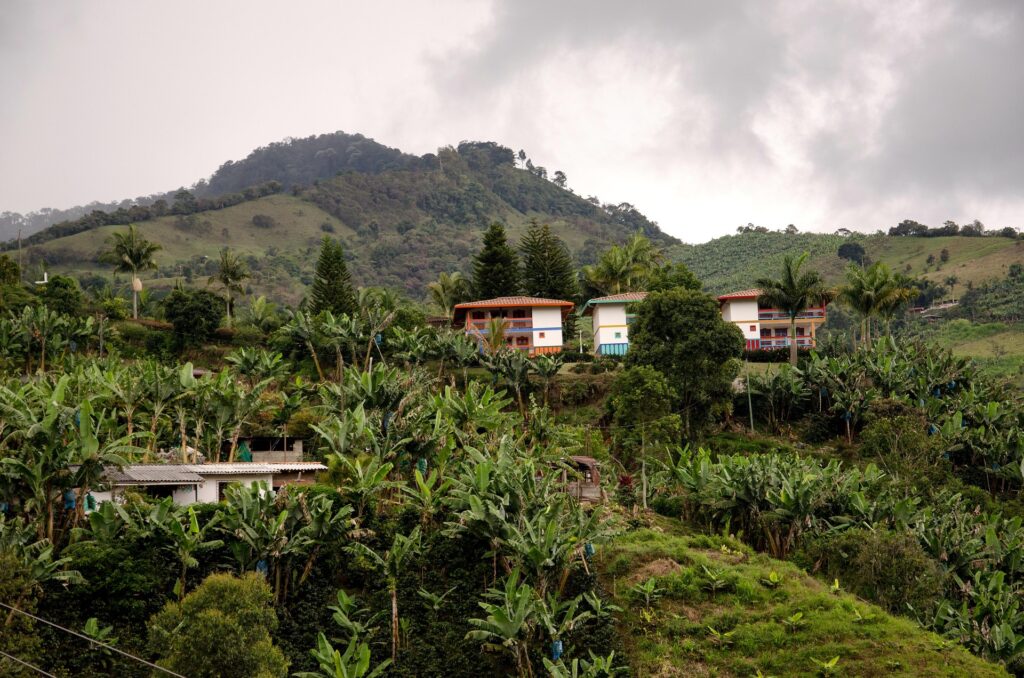
If you’re looking for the best coffee haciendas in the Eje Cafetero, here’s the short answer: within an hour of almost anywhere in this corner of Colombia, you’ll find exceptional options — from centuries-old colonial estates to family farms where the person walking you through the beneficiadero is also the person who signs the export paperwork. Some haciendas hand you a cup and a view. Others hand you a basket and put you to work picking cherries alongside actual chapoleras. Either way, you leave understanding exactly why this small mountain triangle produces coffee that shows up on menus from Tokyo to Toronto.
Below, we picked five haciendas worth building a day around, and the story that makes each one worth the drive — architecture, history, exclusivity, folklore, wellness. We’ll also tell you why this matters specifically if you’re traveling with someone who doesn’t cycle: a coffee hacienda is where your companion stops being “the person waiting at the finish line” and starts having the best day of the whole trip. Fair warning — nobody leaves these tours in the same size pants they arrived in, and nobody has ever complained about that trade.
Hacienda Venecia (Manizales, Caldas): Where Colonial History Still Smells Like Roasted Beans
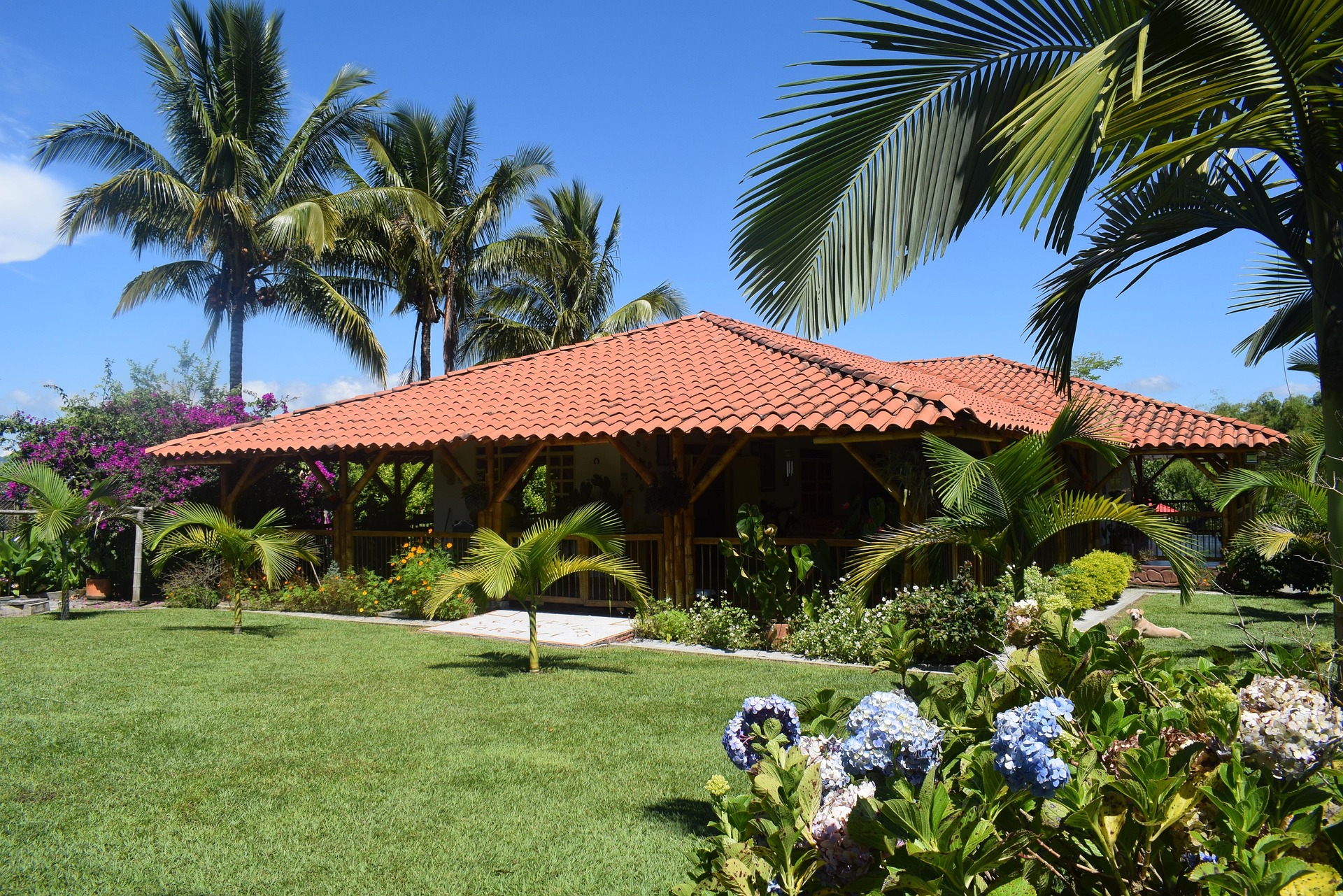
Twenty minutes outside Manizales, in the vereda San Peregrino, Hacienda Venecia is what most people picture before they’ve ever actually seen a coffee hacienda: whitewashed colonial walls, wraparound wooden balconies painted in colors you don’t see outside this region, and a working farm still producing coffee at real export scale. There’s a reason nearly every hacienda in the Eje Cafetero shares that same silhouette. It’s called bahareque — a colonial-era building method using guadua (a local giant bamboo), wood, and clay, prized for being both earthquake-resistant and, frankly, beautiful — which is exactly why UNESCO folded the whole architectural tradition into its Coffee Cultural Landscape of Colombia designation in 2011. Venecia runs three levels of tours, from a traditional agronomic walk-through to full barista and cupping workshops, and you can stay the night in the original colonial house, a coffee lodge, or a simpler hostel. It isn’t a museum pretending to be a farm. It’s a real one that also happens to be four generations deep in family history — a theme, as you’ll see, that runs through this entire list.
Finca El Ocaso (Salento, Quindío): The Answer to “Why Is This Coffee So Famous, Anyway?”
Finca El Ocaso sits on a ridge above Salento, its cafetales draped over hillsides so steep that harvesting by machine isn’t really an option — every cherry here gets picked by hand, one ripe bean at a time. That’s a big part of the answer to a question every visitor eventually asks: why does Colombian coffee carry this reputation in the first place? Short version: Colombia is one of the only major coffee-producing countries growing exclusively Arabica, mostly under shade, at altitudes between 1,200 and 1,800 meters, picking only ripe cherries instead of stripping the branch. It’s slower and more expensive — and it’s exactly why the flavor holds up. El Ocaso’s Tour Tradicional covers planting through the beneficiadero, while the Tour Premium goes deeper into roasting physics and manual extraction methods most visitors have only watched a barista do behind a counter. It’s also the postcard: those cafetales rolling toward the Valle del Cocora are the image most of the world pictures when someone says “Coffee Region, Colombia” — and now you know exactly why it earned that image.
Curious what a morning like this looks like on an actual itinerary? On The Land of Coffee, this is exactly the kind of day your non-cycling companion gets — a real hacienda, a real story, and zero time spent waiting at a hotel pool for the cyclists to finish their climb.
Terraza San Alberto (Buenavista, Quindío): The Coffee That Put Colombia on Sommelier Menus
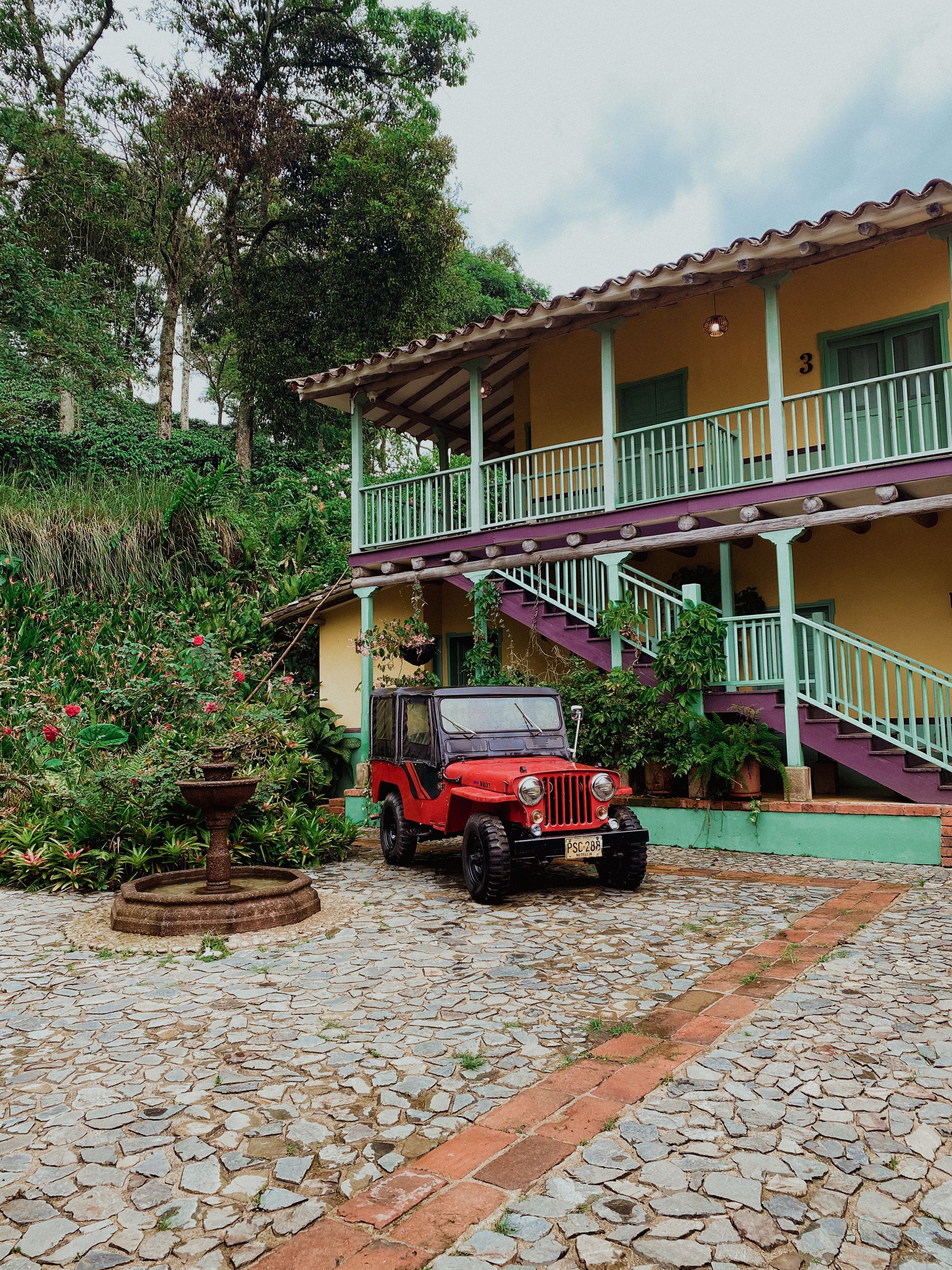
Two hundred meters from the main square of Buenavista, on a mirador looking out over the cordillera, Terraza San Alberto belongs to one of the most awarded coffees in the country — the kind that shows up in specialty roasteries and cupping labs from Bogotá to Brooklyn, and gets covered by trade press that doesn’t hand out compliments lightly. Its signature tour, the Bautizo Cafetero, is built more like a wine-country tasting than a farm walk: a laboratory cupping session, aroma training, and pairings with honey or spirits designed to teach your palate the difference between a good cup and an exceptional one. You can also just show up for an espresso on the terrace without booking anything — arguably the best return on effort of any coffee you’ll drink in Colombia. Either way, this hacienda answers a different question than El Ocaso does. Not why Colombian coffee earned its reputation, but how far the ceiling actually goes once a family farm decides to chase quality over volume.
Recuca (Calarcá, Quindío): The Hacienda Where You Become Part of the Story
Recuca — short for Recorrido de la Cultura Cafetera — is the least formal and most fun stop on this list, and it knows it. In the vereda Calaya outside Armenia, visitors trade their travel clothes for the traditional dress of chapoleras (the coffee pickers) and arrieros (the mule drivers who once moved every sack of coffee off these mountains before roads caught up), then head into the fields to actually pick cherries instead of just watching someone else do it. Calarcá, right next door, is also home turf for the Yipao — the beloved local tradition of piling Willys jeeps, the workhorse vehicle of this region for seventy years, absurdly high with furniture, plantains, and entire families, then parading them through town as a point of pure civic pride. Recuca leans into that same energy: costumes, folk demonstrations, and a hands-on history lesson that makes the coffee you drink afterward taste like something you helped make — because, in a small way, you did. It’s a day-visit only, no overnight stays, but it might be the hacienda your kids, or your genuinely non-coffee-obsessed travel partner, talk about the most.
Finca del Café (Santa Rosa de Cabal, Risaralda): Where Coffee Culture Meets a Very Deserved Nap
Ten minutes from Santa Rosa de Cabal, in the vereda Guacas, Finca del Café pairs a guided walk through coffee groves and guadua forest with something the other haciendas on this list don’t really offer: proximity to the Santa Rosa thermal springs, one of the most visited hot-spring complexes in the country. The farm tour itself runs two to three hours, covering everything from sun-drying stations to coffee brewed the old way, over a wood-burning stove inside a traditional casa campesina — the kind of stay outlets like National Geographic now dedicate entire hotel guides to, if that tells you anything about where this region’s reputation is headed. The real trick, though, is the itinerary math: coffee in the morning, thermal pools in the afternoon, a boutique hotel with a pool and spa if you want to stretch it into an overnight. For anyone traveling alongside a cyclist spending the day on a climb, that’s the difference between a trip that feels like an afterthought and one that stands entirely on its own.
Why This Region Isn’t Just Business for Us
David Giraldo, Beyond The Ride’s Brand Director, puts it this way:
“I spent years living in the United States before Beyond The Ride existed, and I watched something happen in real time. ‘Colombia’ went from a country I had to explain, to a destination people asked me how to book — more of them, every year, already knew Salento by name. That’s not just a feeling: Colombia welcomed a record seven million international visitors in 2025, a number it’s on pace to beat this year, and Forbes recently named a city an hour from where I grew up among the world’s top destinations for 2026. We saw that wave coming. It’s part of why we built this business now — before the big resort brands and package-tour operators fully arrive and this region starts feeling like everywhere else.
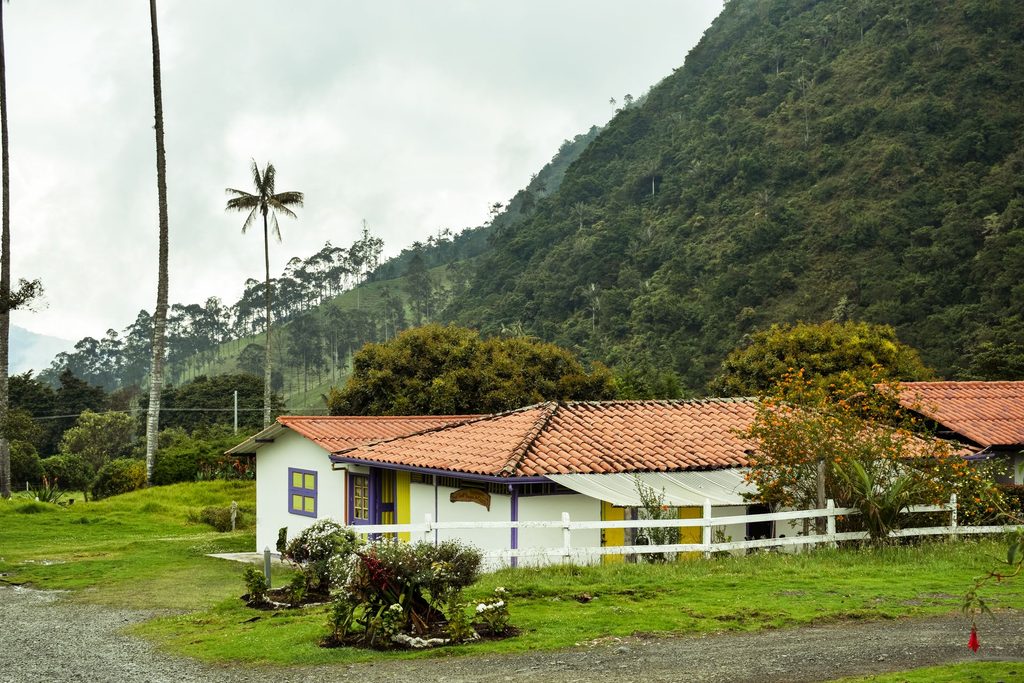
My own family has a hacienda here too. Smaller than Venecia or San Alberto, nothing you’ll find in a glossy hotel guide, but it carries three generations of our history in these hills. We’ve spent the last several years quietly adapting it to receive the kind of people who used to just be family: curious travelers, coffee obsessives, cyclists passing through, people chasing the real version of this region instead of the postcard. Every hacienda on this list earned its place on merit. Ours earned its place in my life because it’s home — and on certain Beyond The Ride departures, it can be part of your trip too.”
Ready to see it for yourself instead of just reading about it? On The Land of Coffee, your companion doesn't spend the day waiting at the hotel— they visit places like these, on their own dedicated itinerary, every single day of the trip. Two rates, two experiences, one shared table at dinner. Fill out our inquiry form and our team will walk you through upcoming dates, group sizes, and which haciendas make the cut on your specific route.