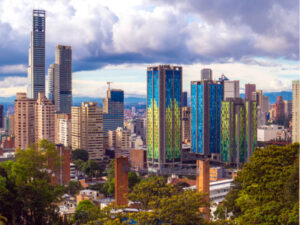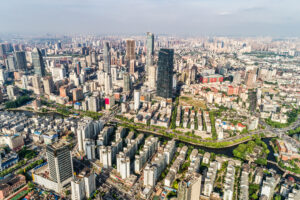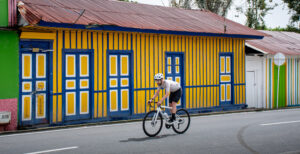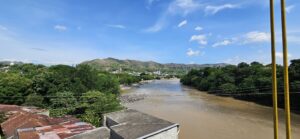
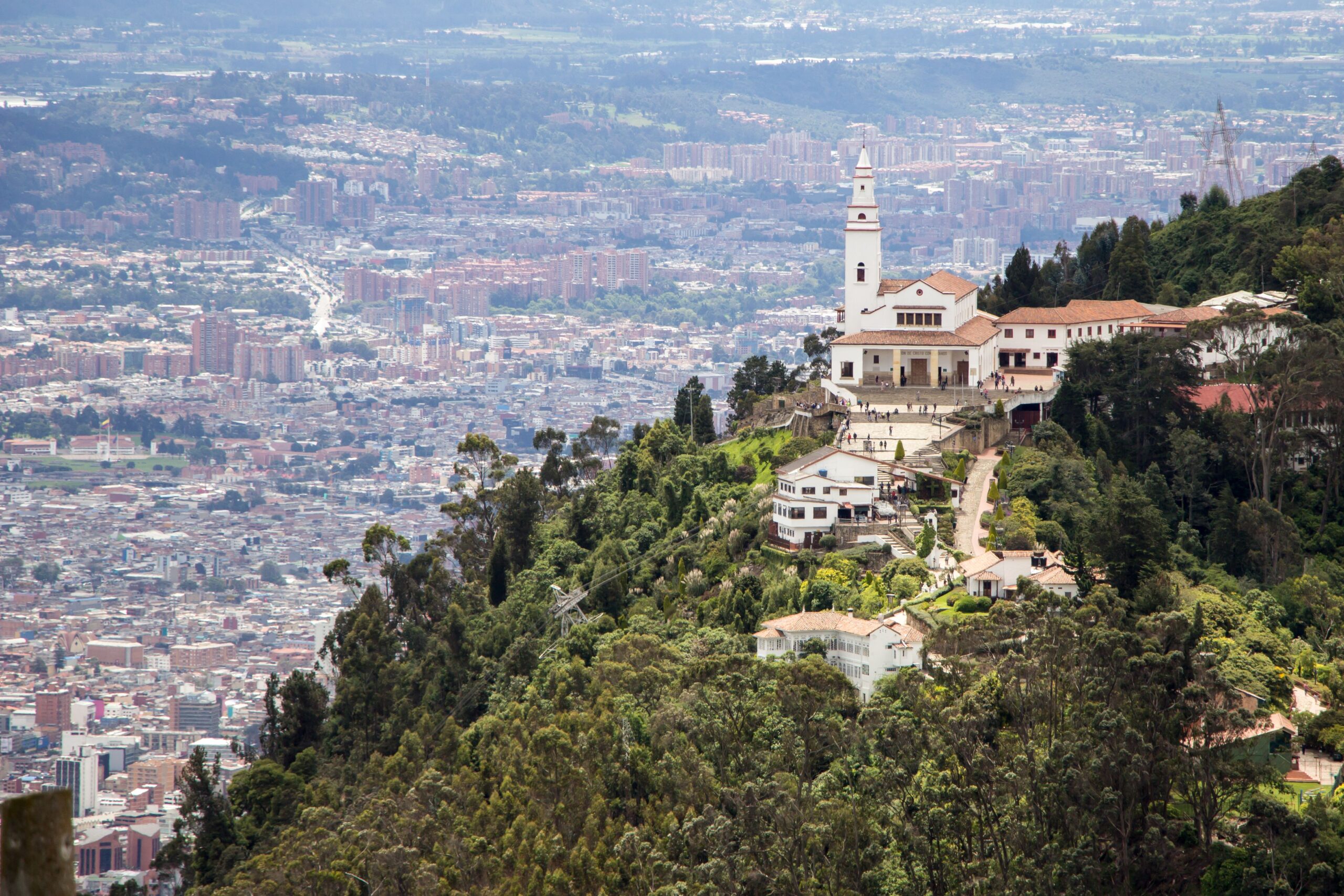
If this is the first time you’re hearing about Bogotá, the first thing you should know is that it’s a city of massive contrasts. It sits on a high plateau in the Andes Mountains at about 8,660 feet above sea level.
This means the weather isn’t “tropical” in the way you might imagine Colombia. You won’t find palm trees or sweltering beach heat here. Instead, it’s like a “perpetual chilly spring.” You might have bright sunshine at 10:00 AM and a heavy downpour by 2:00 PM.At BTR (Beyond The Routine), our goal isn’t just to check off tourist boxes. We want to help you understand how this city of 8 million people actually works.
Getting Your Bearings: Seeing the City from Above (Monserrate)
To understand Bogotá, you have to see it from the air. The city is tucked right up against a mountain range called the “Eastern Hills.” The most famous spot there is Monserrate Hill.
How do you get up there?
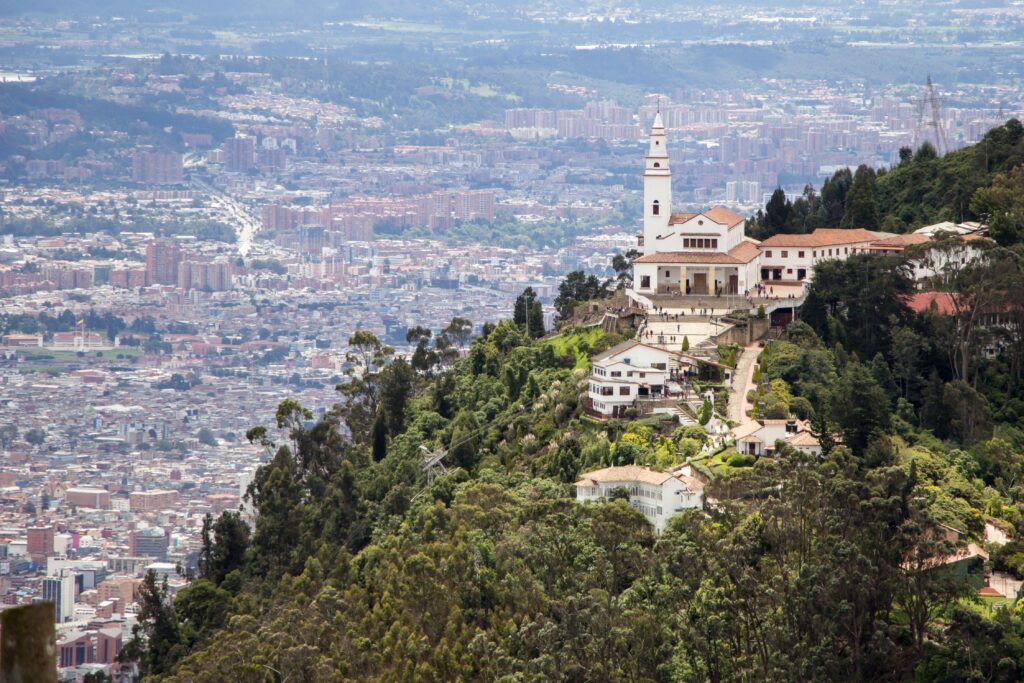
There are two main ways: a cable car (a gondola hanging from a wire) or a funicular (a steep little train that climbs the mountainside). As you go up, you’ll see the red-brick houses disappear, and the city turns into a giant gray and green carpet that stretches as far as you can see.
What’s at the top?
At the summit, there’s a white 17th-century church that is very important to locals. But for a first-time visitor, the real draw is the silence and the crisp mountain air. From here, your guide will point out the layout: the south is more traditional and working-class, the center is the historic heart, and the north is where the modern financial districts and upscale neighborhoods are. It’s the best way to wrap your head around where you are.
La Candelaria: Where the Story Started
After coming down from the mountain, we head to the historic center, a neighborhood called La Candelaria. If you’re coming from a modern U.S. city, this will feel like a different world. The streets here are narrow, made of cobblestones, and the houses are hundreds of years old.
What you’ll see while walking
The houses are painted in bright colors—yellows, deep blues, and reds. They have ornate wooden balconies and hidden courtyards. What’s cool about La Candelaria is the mix of people: you’ll see college students with backpacks, politicians in suits, and street artists painting murals.
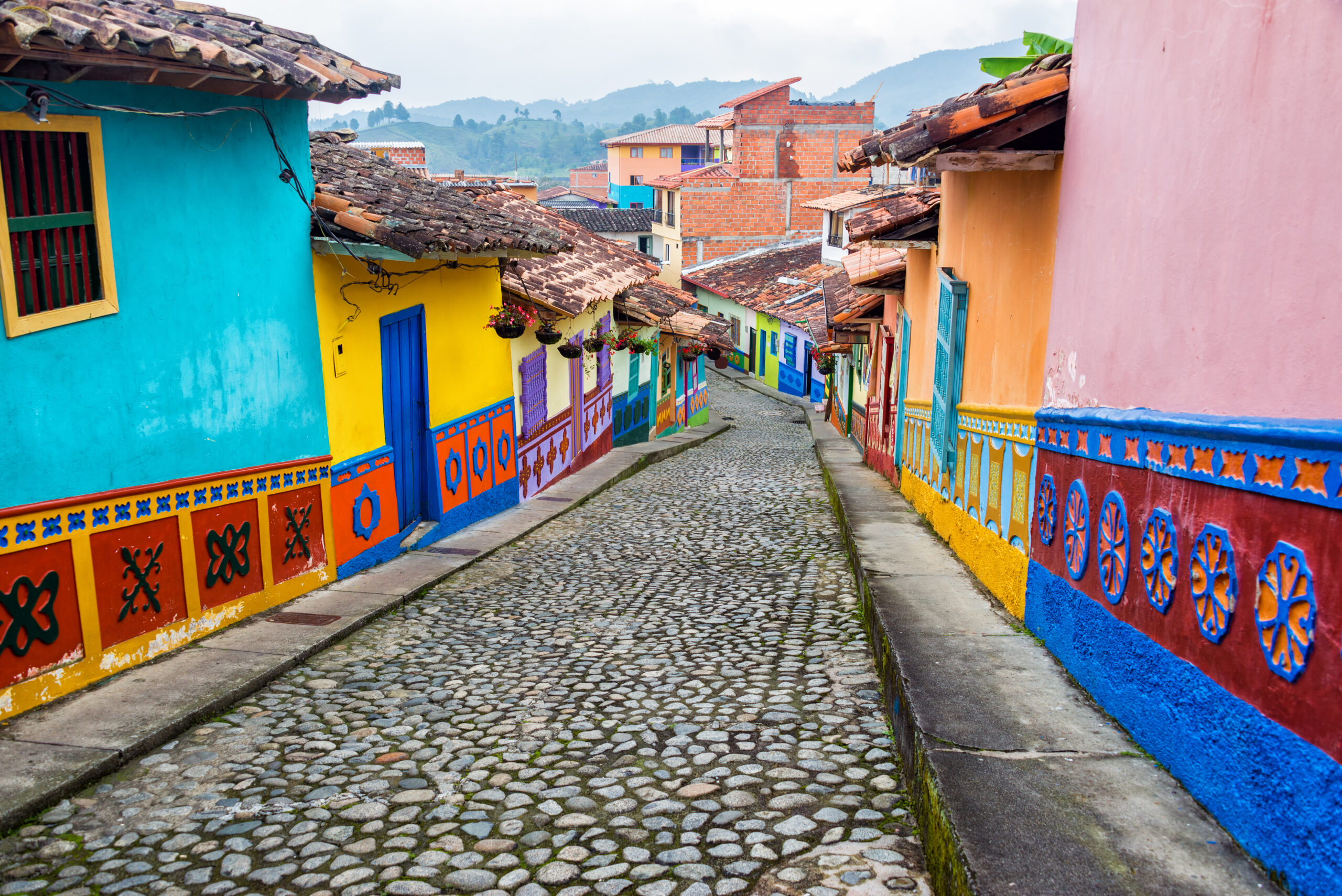
The street art (graffiti) here is a big deal. It’s not just “tagging”; these are massive, professional paintings that tell stories about indigenous roots, social justice, and Colombia’s hope for the future. It’s like an outdoor museum that shows you what young Colombians are thinking about today.
Plaza de Bolívar: The Political Heart
Walking through the center, you’ll eventually hit a massive stone square filled with pigeons. This is Plaza de Bolívar. In Colombia, almost every town has a main square with this name, honoring Simón Bolívar, the man who led the independence from Spain.
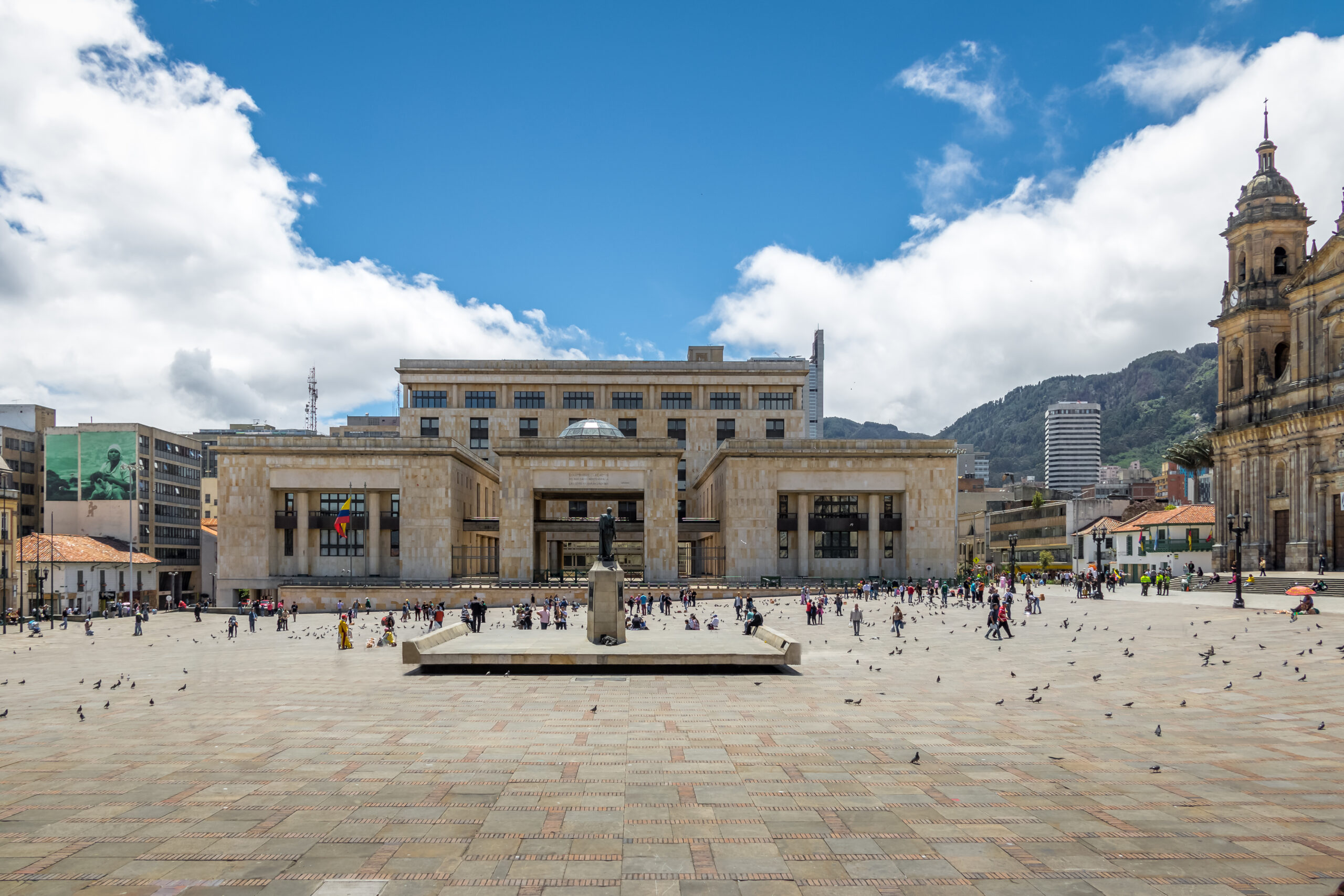
Around this square, you’ll see the four main buildings that run the country, each with a very different look:
- The Primary Cathedral: The biggest religious building, built in a classic style.
- The National Capitol: This is where Congress works. It has giant columns that took almost 80 years to finish.
- The Palace of Justice: A more modern, boxy building. It has a heavy history from the 1980s and stands as a symbol of the country’s law.
- Liévano Building: This is the City Hall, where the Mayor works.
Just a block away is the Casa de Nariño, which is the President’s home and office (Colombia’s version of the White House). You’ll see a lot of security, but it’s a safe area to walk through to see the changing of the guard.
Fruits and Coffee: A Crash Course in Flavor
This is where the tour gets interesting for your taste buds. A lot of people think they know coffee and fruit, but Colombia usually surprises them.
Exotic Fruits You’ve Never Seen
Colombia has some of the highest fruit diversity in the world. We’ll stop by a local market or a specialized stand to try things you’ll likely never find in a grocery store back home:
- Granadilla: You crack it open with your fingers and eat the sweet, jelly-like seeds inside.
- Lulo: It’s tart and citrusy, green on the inside, and makes the best juice you’ve ever had.
- Yellow Pitahaya: The yellow dragon fruit. It’s incredibly sweet and refreshing.
Real Colombian Coffee
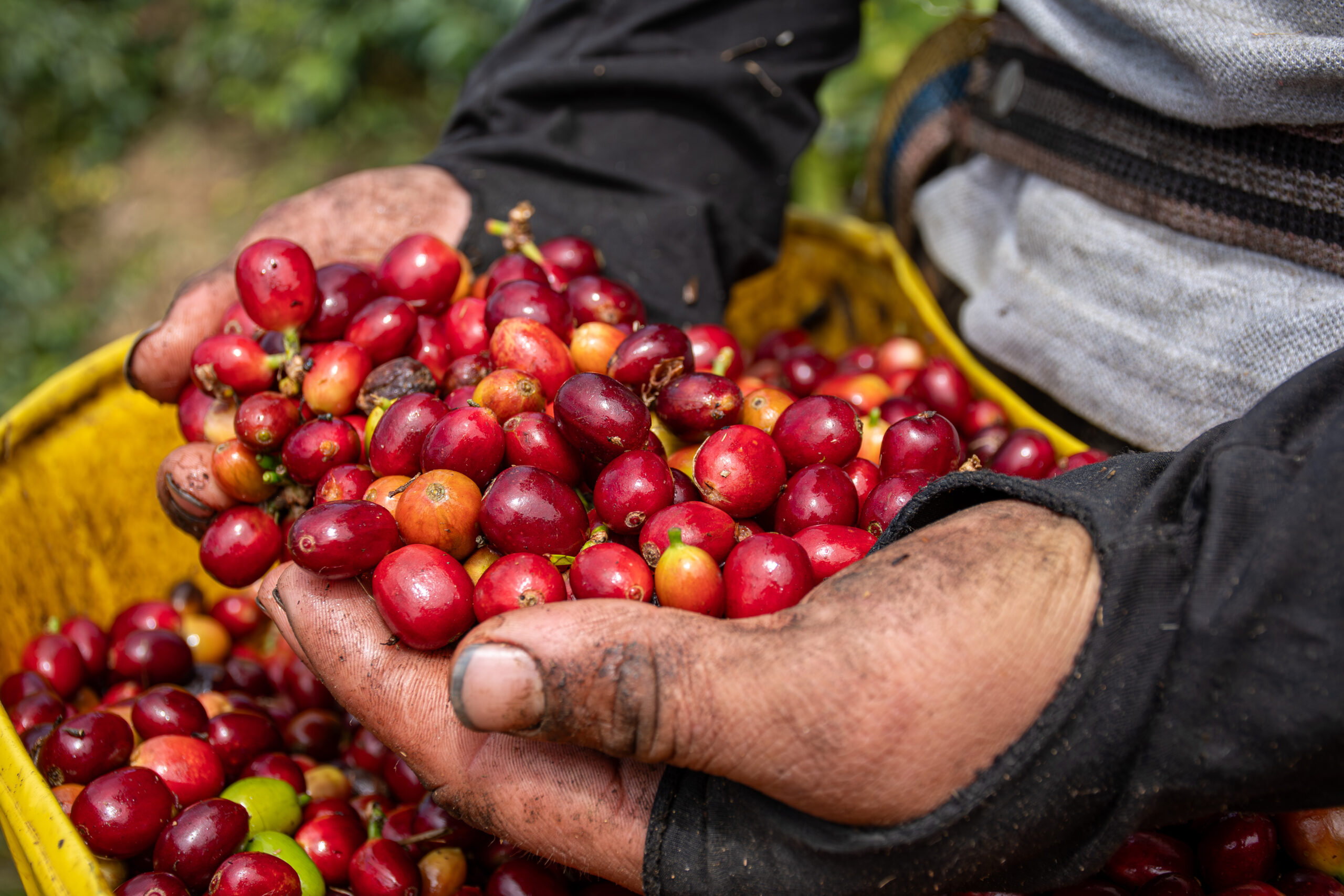
In Colombia, coffee isn’t just a caffeine fix; it’s national pride. We’ll take you to a local café to explain why mountain-grown coffee is different. It’s not just “strong black coffee.” High-quality Colombian coffee has notes of chocolate, fruit, or even flowers. We’ll show you how to tell the difference between “commercial” coffee and the “specialty” stuff.
Two Museums That Are Actually Interesting: Gold and Botero
Even if you aren’t a “museum person,” these two are worth it because they explain who Colombians were before the Spanish arrived and how they see themselves now.
The Gold Museum (Museo del Oro)
This is probably the most famous museum in South America. It holds thousands of gold pieces made by indigenous cultures long before Columbus arrived. The important thing here isn’t the “money value” of the gold, but its spiritual meaning. You’ll see gold masks, animals, and jewelry that leaders used to connect with their gods. The star of the show is the “Muisca Raft,” a tiny gold piece that inspired the legend of El Dorado (the city of gold that explorers never found).
The Botero Museum
Fernando Botero is Colombia’s most famous artist. You can spot his style from a mile away: he paints and sculpts people and animals as “chubby” or high-volume. It’s fun, lighthearted art that’s easy to enjoy. The museum is in a beautiful colonial house with gardens, and the best part is that Botero donated his entire private collection, so you’ll also see original paintings by Picasso and Dalí for free.
Lunch: What exactly is Ajiaco?
Around noon, we’ll grab a traditional meal. In Bogotá, the “must-try” dish is Ajiaco.
Think of it as a very thick, hearty potato soup—perfect for the city’s chilly weather. It’s made with three different types of Andean potatoes.
One of them actually melts away to make the soup thick. It has shredded chicken, a piece of corn on the cob, and a local herb called guasca that gives it a flavor you won’t find anywhere else.
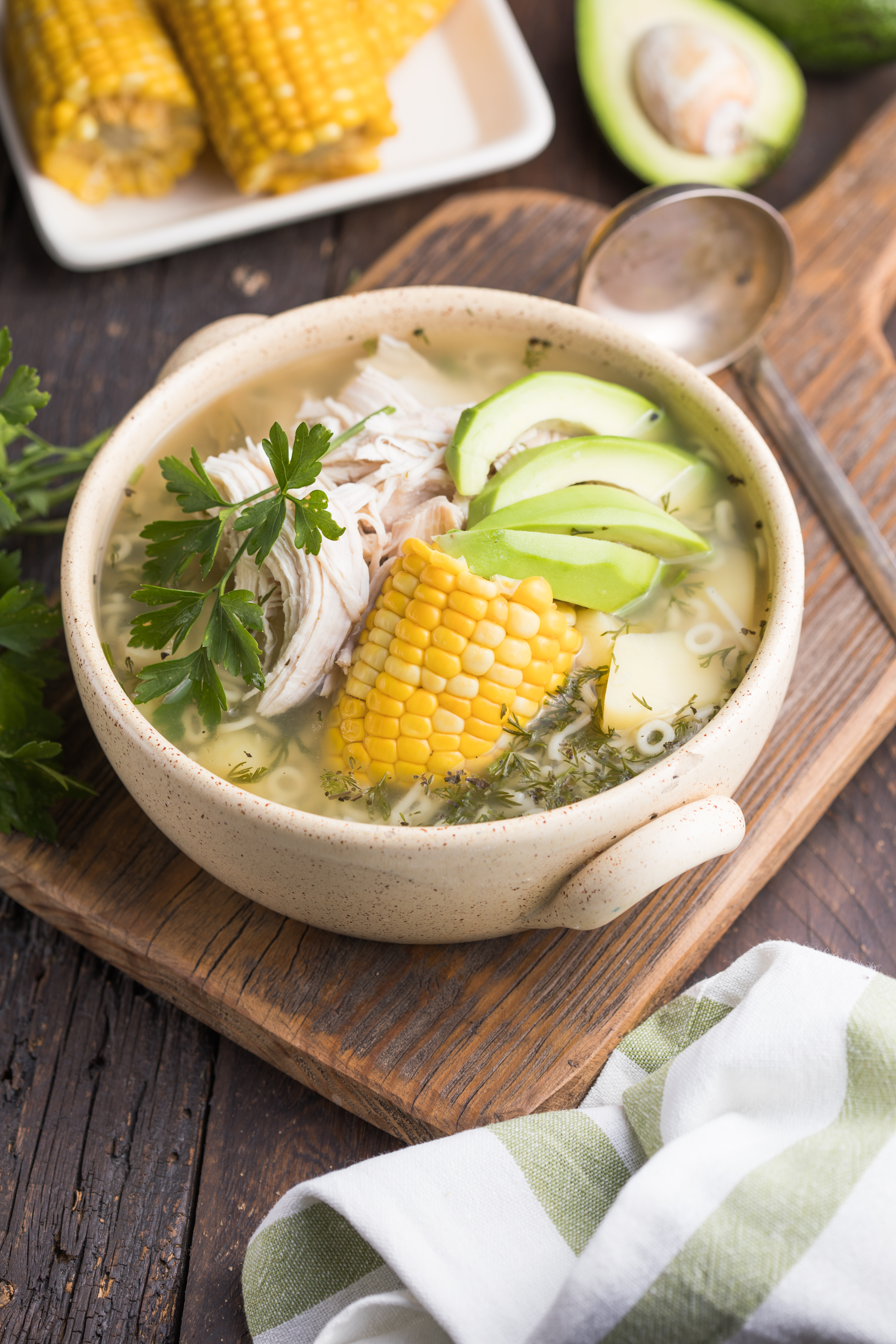
with potato, chicken, avocado
It’s served with a side of heavy cream, capers, and fresh avocado so you can mix them in yourself. It’s the ultimate “comfort food” for people in Bogotá.
Carrera Séptima: The Pulse of the City
To wrap up the day, we’ll walk down Carrera Séptima. This is the most iconic street in the city. A big section of it is pedestrian-only, meaning no cars—just thousands of people walking.
It’s the best place to see the “real” Bogotá. You’ll see people playing street chess, musicians, street performers, and local vendors selling everything from snacks to art. It’s a little chaotic, but it’s a high-energy chaos that shows you the true personality of the “Rolos” (that’s what we call people from Bogotá).
Quick Facts for Your First Trip
If you don’t know much about the city, here are a few basics to keep in mind:
| Topic | What you need to know |
| Safety | Like any big city, you have to be smart. Stay with your guide, keep your phone in your pocket while on the street, and don’t wear flashy jewelry. |
| Traffic | Bogotá traffic is famous for being tough. That’s why we use private transport to get you between spots as efficiently as possible. |
| The Altitude | At 8,660 feet, you might get winded easily. Walk slow, drink plenty of water, and maybe skip the heavy alcohol on your first night. |
| Money | We use the Colombian Peso (COP). While most big places take credit cards, it’s always good to have some cash for small snacks or tips. |
Why see Bogotá with Beyond The Ride?
We know that traveling to a new country can feel a bit overwhelming. At BTR, we don’t want you to feel like just another tourist on a big bus. We want you to feel like a guest of someone who actually lives here.
- Guides who actually explain things: We won’t just rattle off dates and boring facts. We’ll tell you why things are the way they are.
- At your own pace: If the altitude is hitting you or you want to spend an extra 20 minutes looking at the gold, no problem. We aren’t in a rush.
- Stress-free logistics: We handle the hotel pickup, the tickets, and the driving. You just show up and enjoy.
Bogotá can be intimidating at first, but it’s a city that wins you over with its food, its culture, and how nice the people are once you get to know them. By the end of the day, we’re confident you’ll see Colombia in a totally different way.