

Is Colombia safe for cycling? Short answer: absolutely yes. Long answer — here are the details that shape the real 2026 picture. Colombia closed 2025 with a record 4.7 million international visitors and US $11.2 billion in tourism revenue — a 9.4% year-over-year increase that pushed tourism past coffee and coal as the country’s second-largest source of hard currency (Source: ProColombia; MinCIT). Americans have led that inbound flow for years: 1.19 million U.S. visitors in 2024, 26.5% of all arrivals and the single largest source market. In the cycling corridors — the Central Cordillera climbs and the Coffee Region (known as Eje Cafetero) — Americans are the primary international guest, and the region has been built around receiving them.
The cycling routes themselves cross one of the most protected areas in South America: the Coffee Region, declared a UNESCO World Heritage Site in 2011 as the Coffee Cultural Landscape of Colombia. The country’s two-decade transformation — in security, in economic development, and in the hospitality that international visitors describe back home — has been most visible precisely in the corridors cyclists ride. Safety on these roads is not something you have to hope for. It is something the last decade of data, infrastructure, and welcome has already earned.
A Tourism Boom, Led by Cycling
Is Colombia safe for cycling in 2026? Should you be worried about anything? No. The last three years of international travel data make that clear. Between 2023 and 2025, roughly 17 million non-resident visitors entered Colombia (6.17M in 2023, 6.70M in 2024, 4.7M in 2025, per Migración Colombia and ProColombia). Three full years of crowds from North America, Europe, and Latin America have come home with photos of the same climbs, the same colonial plazas, and the same coffee farms — and kept telling their friends to book flights. This is the scale at which a country stops being a frontier destination and starts being a familiar one.
Those trips are being noticed by the outlets international travelers actually read. In October 2025, National Geographic named Medellín one of its 25 “Best of the World” destinations for 2026, citing two decades of urban reinvention and year-round livability. A year earlier, The New York Times placed Colombia on its annual “52 Places to Go in 2025” list — the ranking that reshapes American travel itineraries every January — highlighting the Magdalena River corridor. Americans, in particular, have been arriving in volume: 1.19 million U.S. visitors in 2024 made the United States Colombia’s #1 source market, 26.5% of all inbound travelers. Air connectivity has expanded to match: by November 2025, 29 airlines operated 1,520 weekly international flights connecting Colombia to 29 countries.
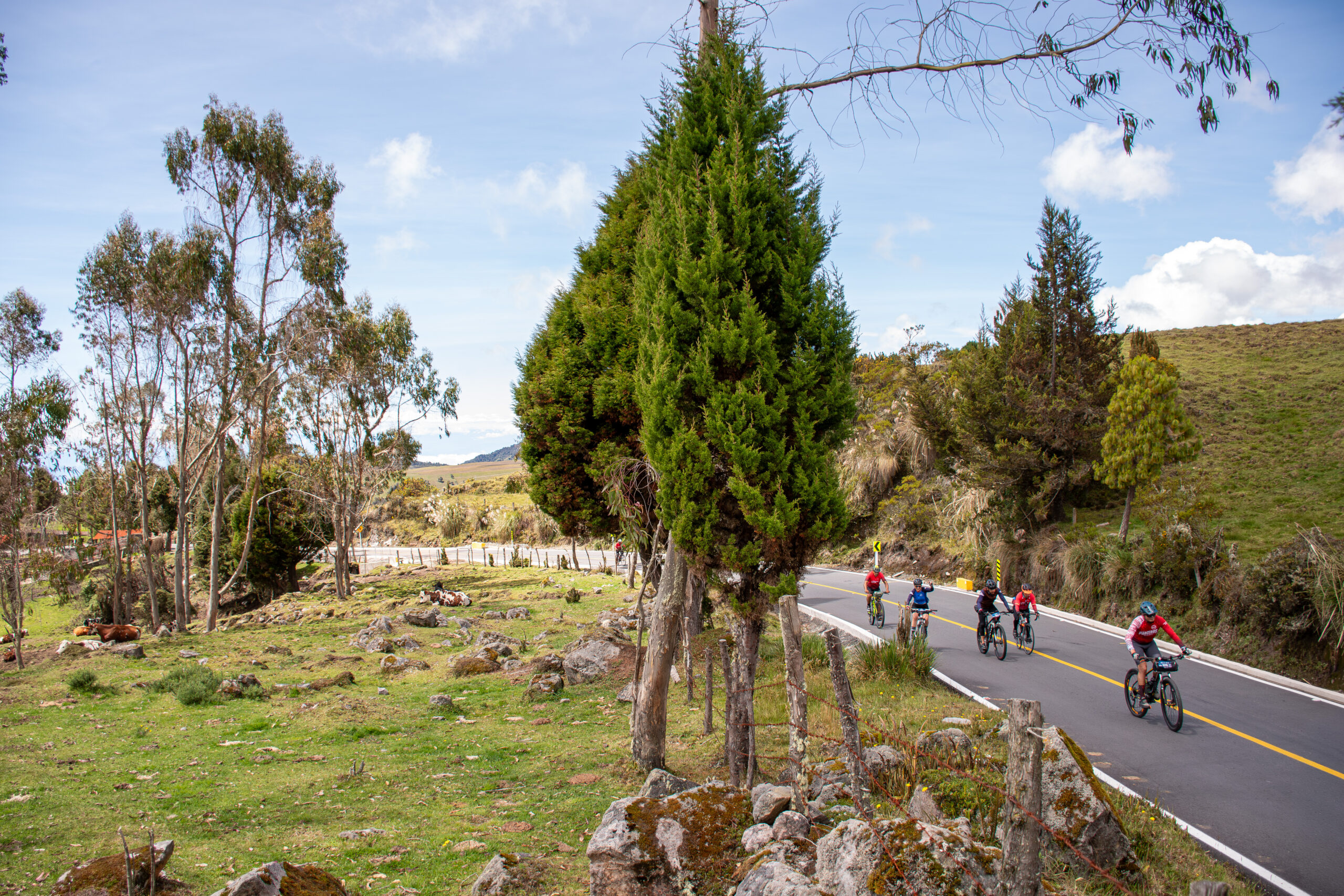
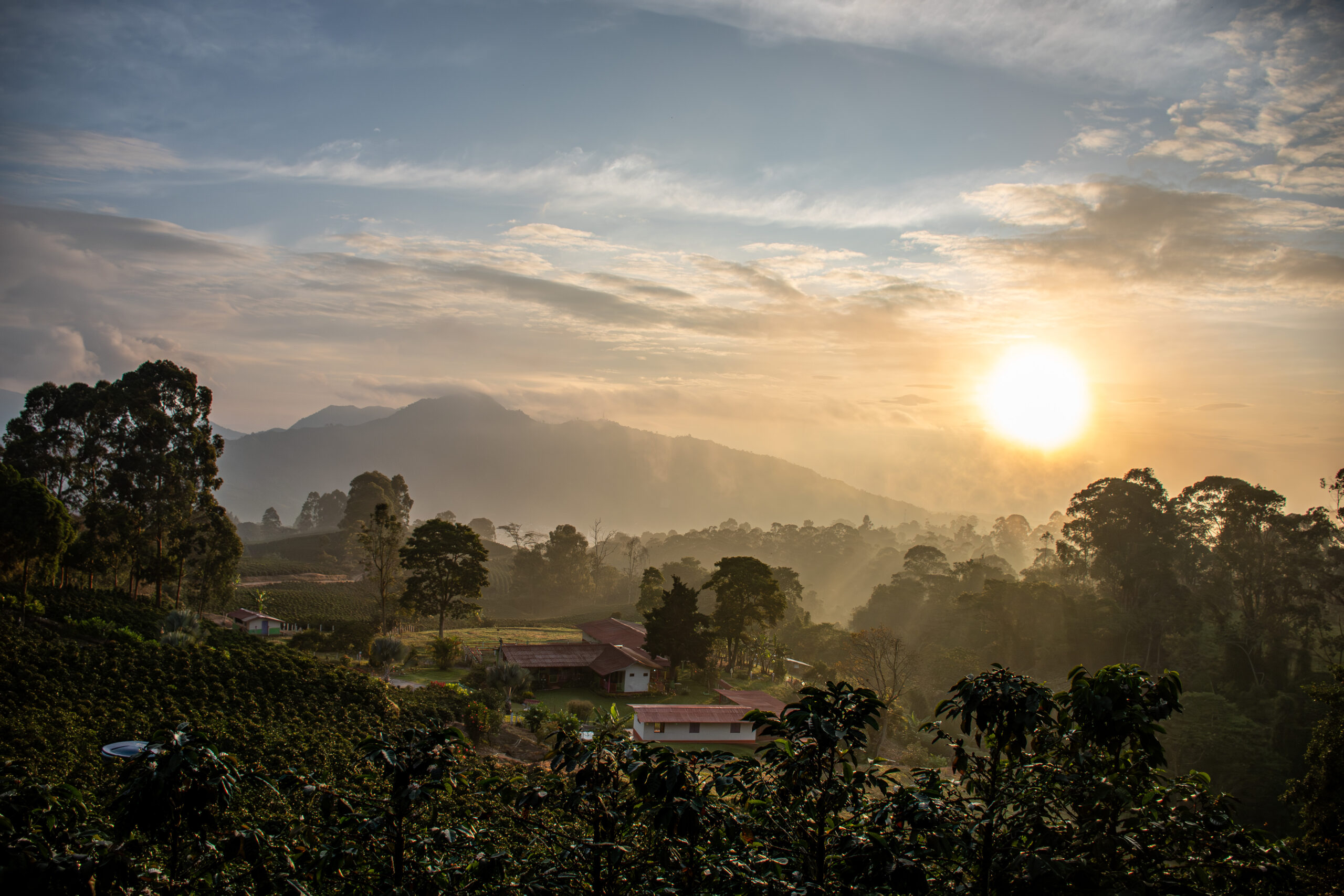
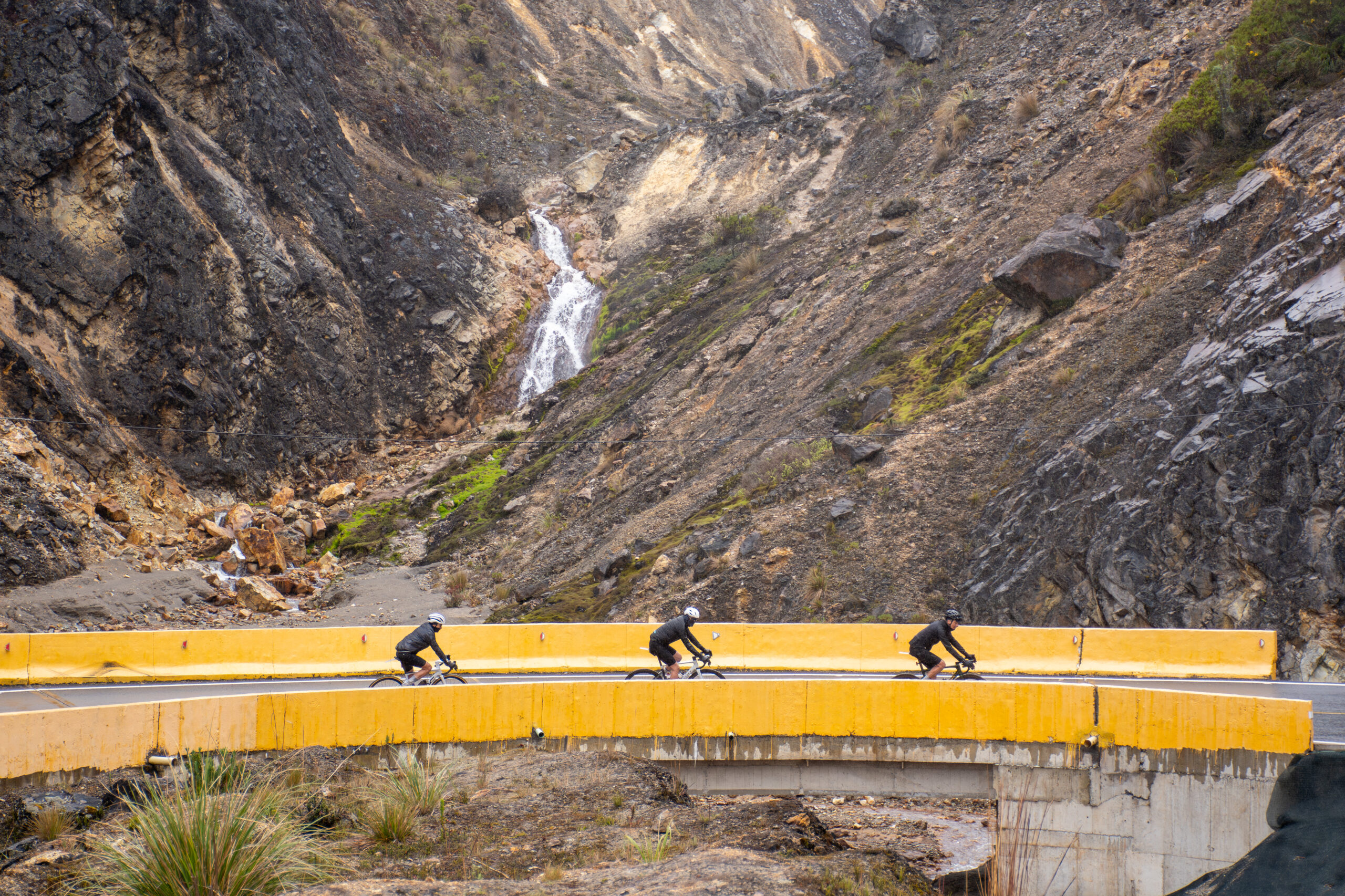
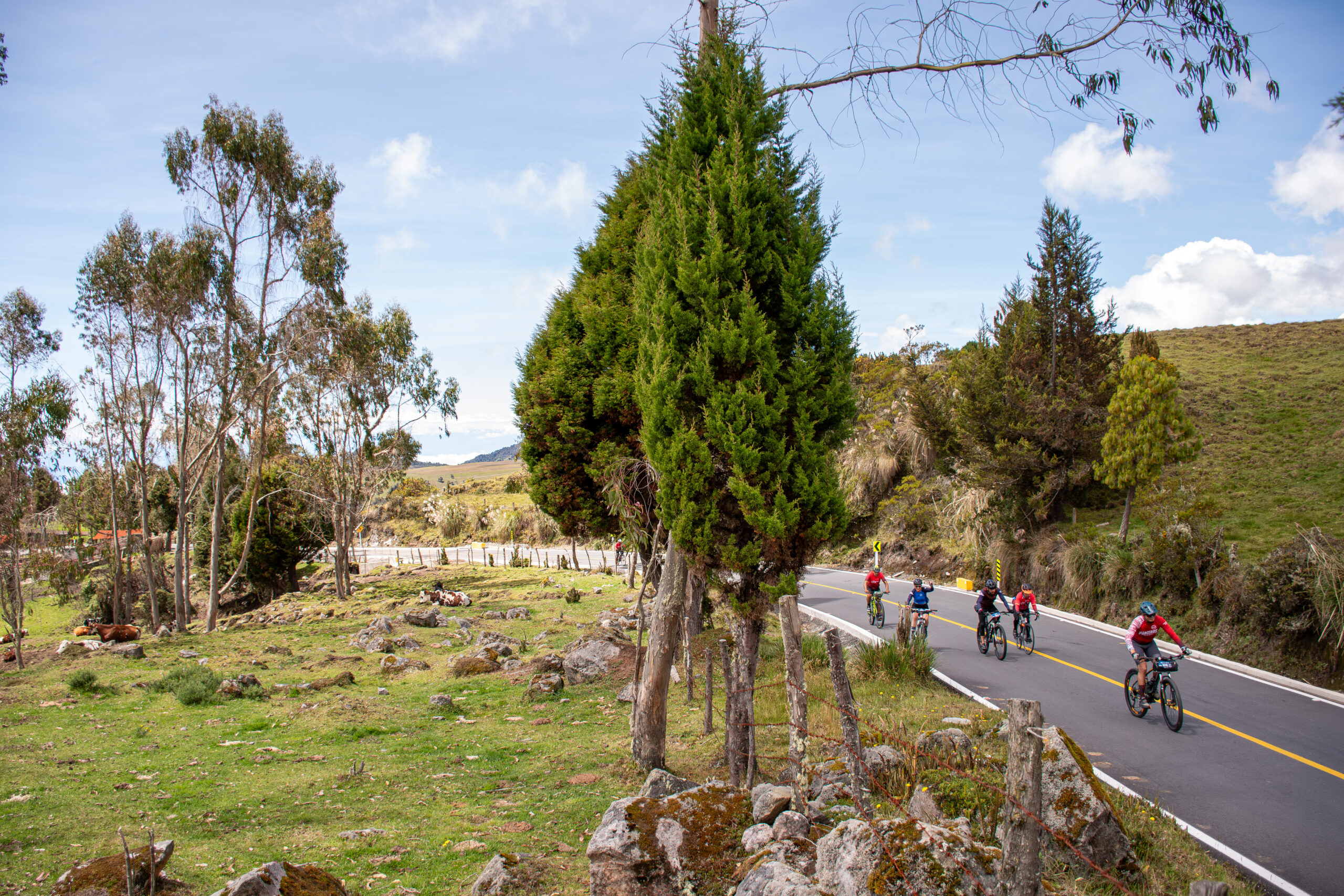
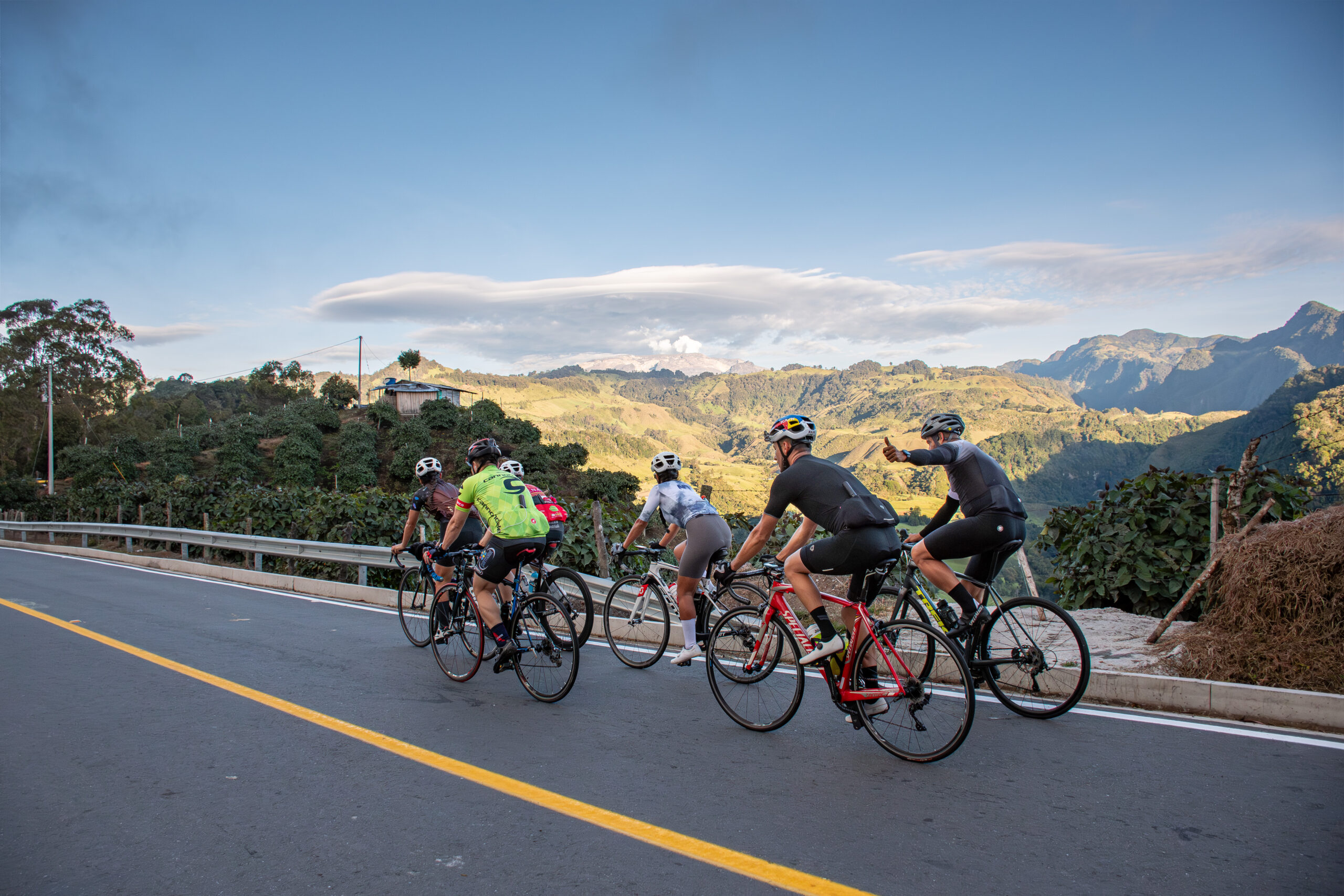
Within that overall growth, cycling tourism has emerged as one of Colombia’s most distinctive high-value inbound segments. ProColombia identifies cycling among the verticals where Colombia has a structural competitive advantage: year-round climbing conditions, Grand-Tour-grade mountain terrain, and a homegrown cycling culture produced by Escarabajos like Luis Herrera (1987 Vuelta a España winner), Fabio Parra (1988 Tour de France 3rd place, 1989 Vuelta a España 2nd place), Santiago Botero (2002 UCI Individual Time Trial World Champion), Nairo Quintana (winner of 2014 Giro d’Italia and 2016 Vuelta a España), Rigoberto Urán (2013 and 2014 Giro d’Italia 2nd place, 2017 Tour de France 2nd place), and 2019 Tour de France winner Egan Bernal (Source: Pro Cycling Stats; UCI). The agency officially promotes 38 curated cycling routes across the country. Cycling tourists stay longer, spend more, and travel for the route — not incidentally. They come chasing something specific: a climb that has been on their list for years, a personal record they want to close, a road that a previous generation of Colombian riders put on the global cycling map. Sport and tourism arrive together in the same traveler, and the combination changes the trip entirely. A cyclist is not a passive sightseer. They are more immersed, more invested, more attentive to every kilometer — because the kilometer is the point. The landscape, the coffee, the altitude, the Escarabajo history — all of it enters through the bike. Which is why most cyclists come home not just with photos, but with a summit they can name, a performance they can measure, and — more often than not — a plan to come back next year.
Cycling Infrastructure at International Standards
The question ‘is Colombia safe for cycling’ has a real answer, and it sits outside the crime map entirely. For an international cyclist, safety is more than a crime map. It is the entire chain that surrounds the ride: the airport you arrive at, the road you climb, the hospital within range if something goes wrong, and the cellular signal that connects all of it.
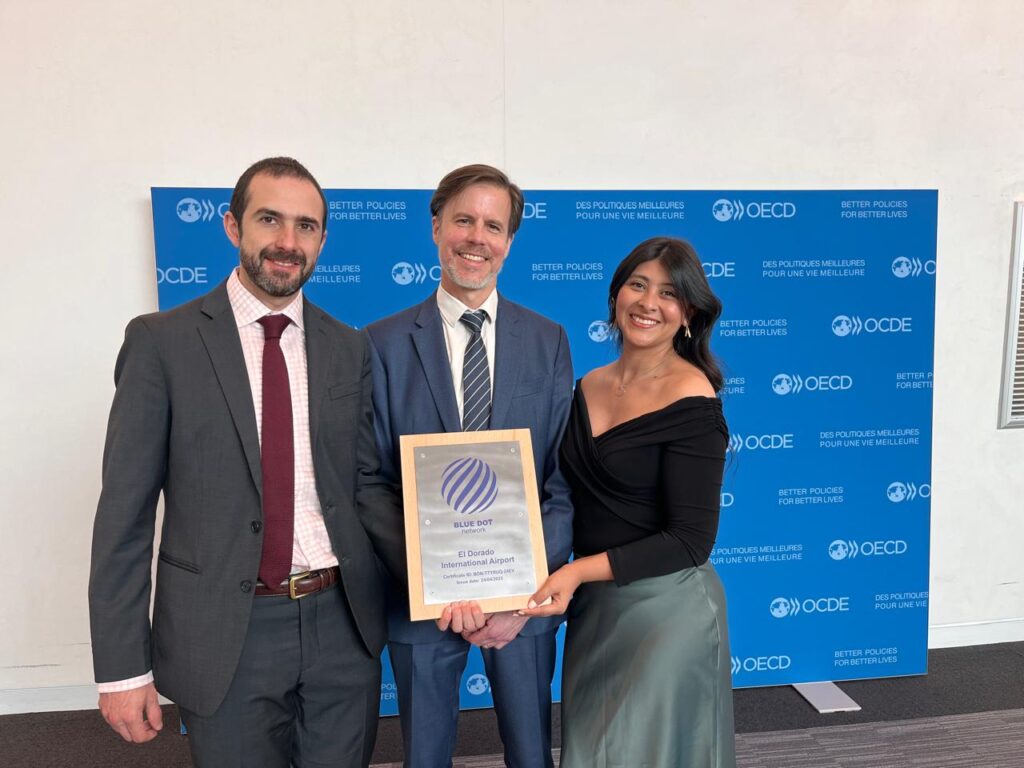
Bogotá’s El Dorado International Airport (BOG) is the primary entry point for nearly every Beyond the Ride guest, and in January 2026 it became the first airport in the world — and the first infrastructure project in Colombia — to receive the OECD’s Blue Dot Network certification. The Blue Dot seal is a global quality standard granted to infrastructure projects that meet strict international benchmarks on environmental sustainability, transparency, governance, and social inclusion. It is not a marketing award. It is an OECD-backed verification that the infrastructure meets international quality criteria (Source: OECD / Blue Dot Network; eldorado.aero; bogota.gov.co).
The cycling corridor itself starts in Bogota and runs through Tolima and Caldas — the stretch from Mariquita (Tolima) at the foot of Alto de Letras to Manizales (Caldas) at the summit. Neither the U.S. State Department nor the UK FCDO issues specific restriction guidance for these departments. The FCDO’s current advisory concentrates restrictions on border regions (notably Norte de Santander and the 10 km band along the Venezuelan border) and a small number of specified municipalities mostly in or close to the Amazon jungle. The Coffee Region and the Central Cordillera cycling corridors fall outside those flagged areas (Source: UK FCDO Colombia Travel Advice; U.S. State Department Travel Advisory — Colombia).
Medical access along the route is stronger than most visitors expect. Manizales — the city at the top of the climb — and Pereira -central hub for routes around the Coffee Region- have hospitals with internationally accredited facilities in reasonable range. The paved roads have continuous cellular coverage. Road quality on the primary cycling corridors is well maintained by Colombia’s national road authority.
Why should I travel to Colombia in the first place? Before you start comparing advisory maps, it helps to know what international cyclists actually come here for. The climb that put Colombia on the serious-cyclist shortlist is 80 kilometers long and does not descend once. Read Alto de Letras: The Complete Cyclist’s Guide to the World’s Longest Climb →
Cycling Safety Beyond the Route
On a well-run tour, safe cycling in Colombia covers more than route risk. It covers every variable that could interrupt your ride — and every system a competent operator is supposed to have in place so that the only thing you have to manage is your own effort.
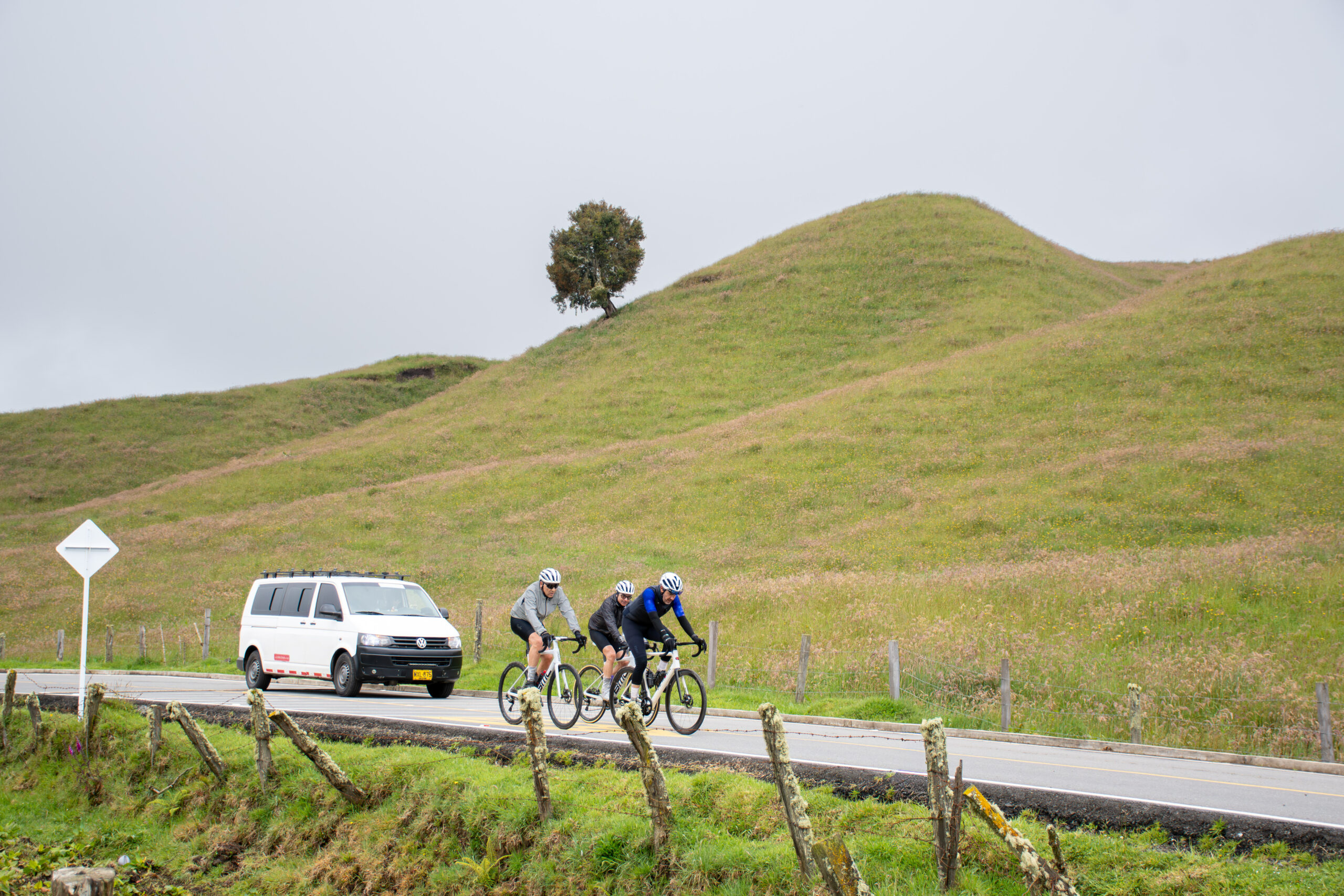
At Beyond the Ride, that starts with a support vehicle that shadows the group throughout the climb. Not a van that meets you at the summit, but a vehicle 200 meters off the back wheel for the entire ride. A flat at kilometer 48 of Alto de Letras isn’t a problem. It is a 90-second stop with a mechanic already there.
It covers fueling. Every group carries water, electrolyte mix, and high-calorie ride food, refreshed on a schedule (hydration gels are not included). On a climb that demands five to eight hours of sustained output at altitude, under-fueling is the single most common cause of a day that ends early. The Beyond The Ride standard operating procedure is to remove that variable from the equation. Read more about what we really mean by “all-inclusive” and why traveling with Beyond the Ride goes beyond the destination.
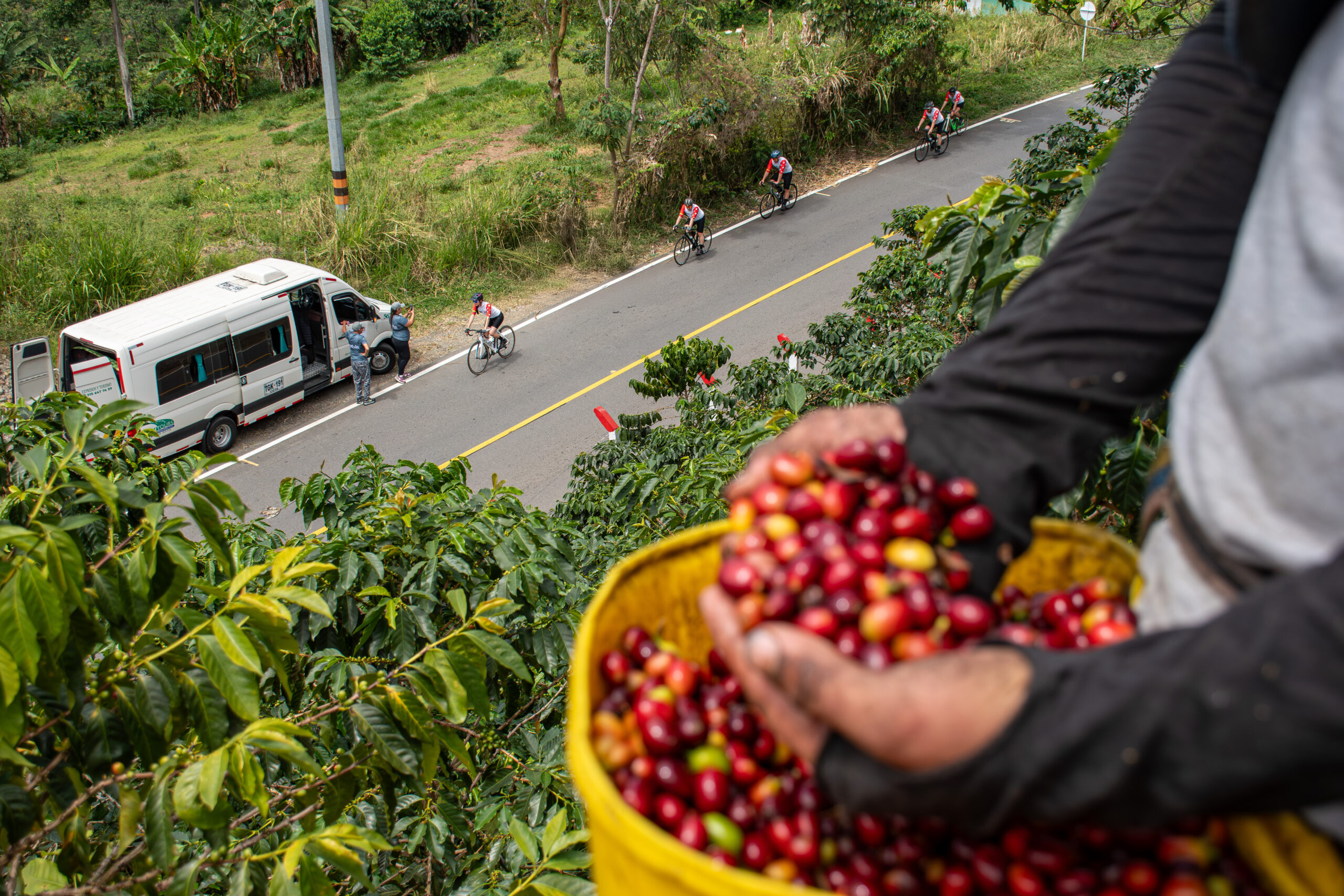
It covers where you sleep. Accommodation is vetted by Beyond The Ride — not pulled off a rate-based booking platform, but chosen for pre-climb environment, cyclist-appropriate nutrition, beds built for post-climb recovery, geographic proximity that eliminates pointless transit before and after the effort and fosters camaraderie between cyclists. On the Alto de Letras Challenge, that means Casa de Campo La Giralda at the foot of the climb.
And it covers the people in the group with you. Every Beyond The Ride tour is led by a bilingual guide who has ridden the route repeatedly and knows it kilometer by kilometer — including the ones that matter when something goes wrong. En route, the team includes a mechanic and a driver. At the base, a sport physical therapist for daily recovery and a cook preparing meals specially designed for cyclists. The result is simple to describe: on a Beyond the Ride tour, the only thing you are supposed to worry about is performing well on the bike and taking in the landscape. For the full checklist of what is and isn’t included on a Beyond The Ride trip, see our FAQ — Cycling Tours with Beyond the Ride.
Is Colombia Safe for Women?
ProColombia’s recent campaigns have been aimed directly at the solo female traveler segment, and the country’s main cycling corridors — Bogotá, the Eje Cafetero, Medellín — are precisely the destinations international women rank highest for return visits. Tourist zones are policed, the main airports are modern, and the hotels and coffee farms where Beyond the Ride guests stay operate to international hospitality standards. The honest answer is the unglamorous one: the same common sense you would apply in any major North American or European city applies here.
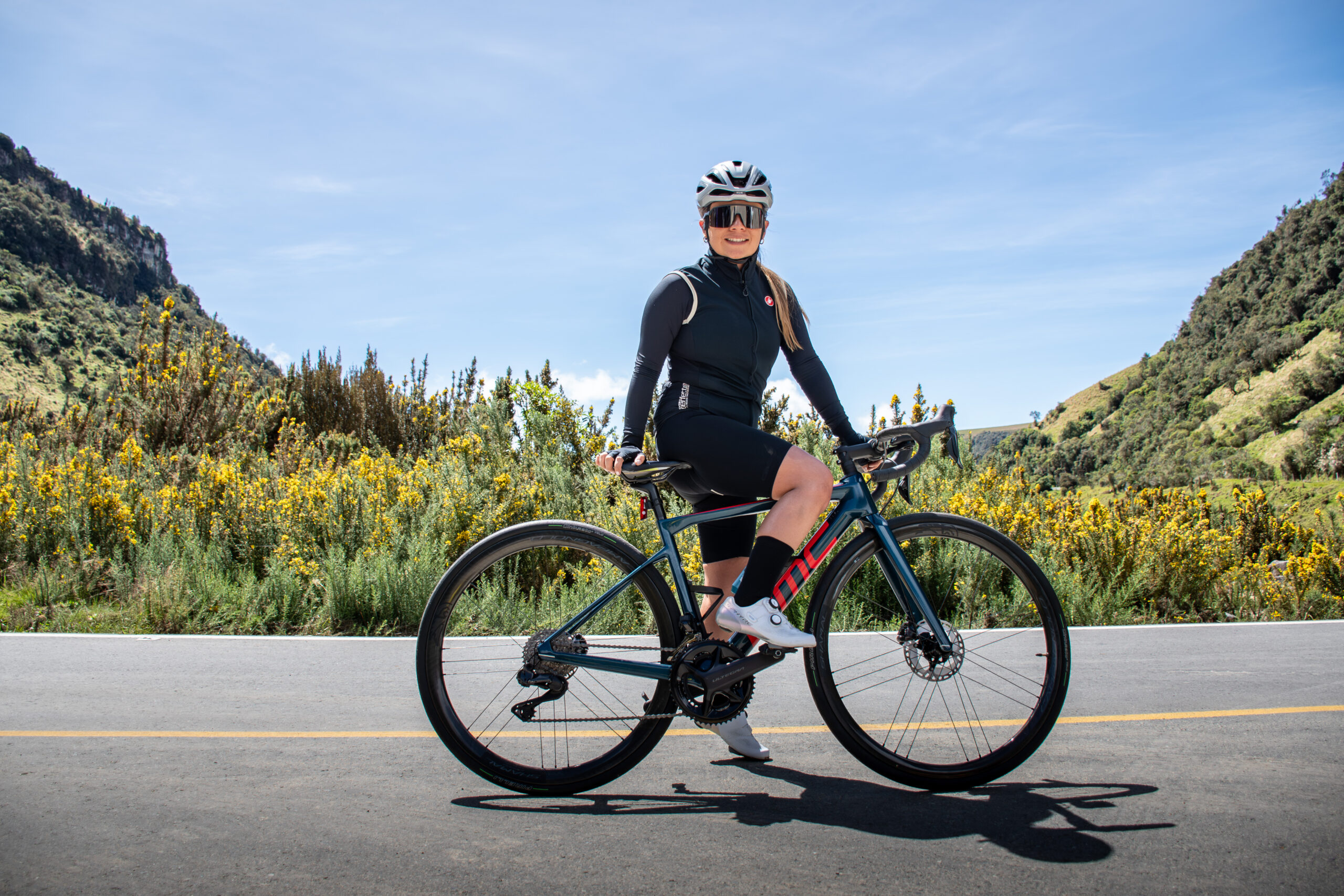
For a woman who also rides, Colombia may be one of the most welcoming countries on a global cycling itinerary. The country has a real, visible women’s cycling culture — clubs in Bogotá, Medellín, and Manizales ride the same climbs international guests come for, and Sunday Ciclovía in the capital regularly closes more than 88 miles of road to cars and fills it with women of every age and ability 88 millas. You will not be the only woman on the road. The sport itself carries a level of cultural respect — built up over a generation of Colombian riders winning at the highest level — that takes the edge off being far from home.
If you are a woman planning to come ride here on your own, you are not stepping into the unknown. You are stepping onto a route that has been ridden, vetted, and accompanied hundreds of times before yours. From the moment you land at El Dorado, the Beyond the Ride team has the chain handled: a private transfer to your lodging, a mechanic who knows your bike before you wake, a driver who shadows your every kilometer, and a sport-massage therapist who closes the day. You ride. We carry everything else. The climb is yours to chase. The country is ready for you. And when — and if — you reach the summit you came for, you will do it the way every great ride is done: on your own legs, in your own time, with the certainty that the road, the support, and the welcome were built to bring you home with a great experience.
You’ve been reading about the climb. You’ve been training for the climb. Now you show up and ride it.
2026 tour dates are open. Pick yours. Ride the road you’ve been chasing. And come home having done it.