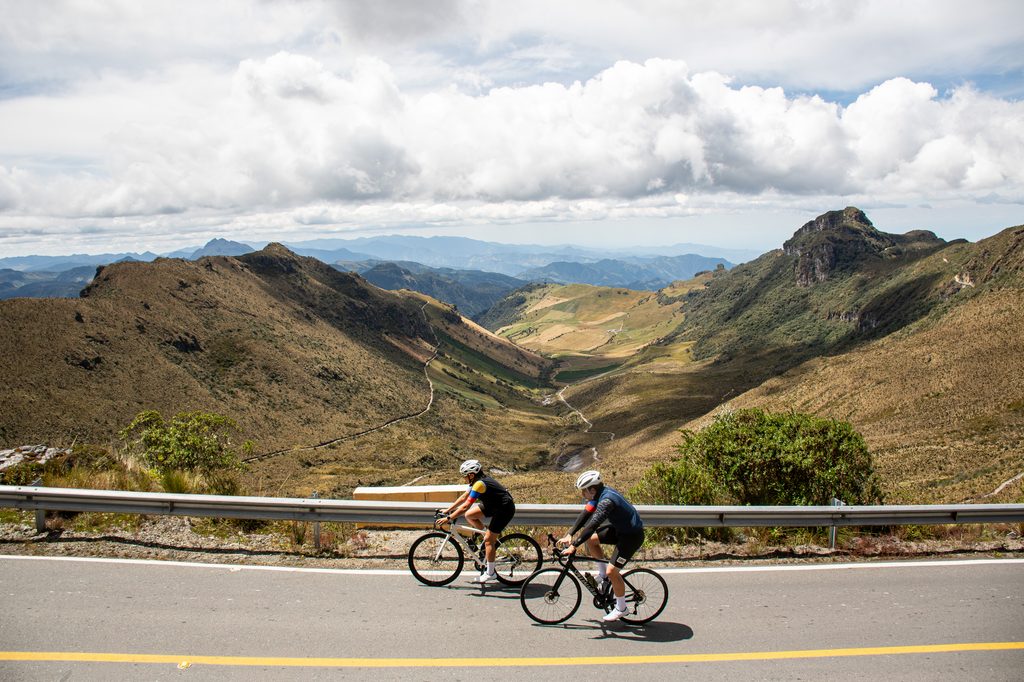
There are only about fifteen mountain ranges in the world considered true global icons, ranges with the scale, the height, and the reputation to define an entire country’s landscape. The Andes are one of them, alongside the Rockies, the Alps, and the Himalayas. Narrow that list down to the ones genuinely built for road cycling, and it shrinks even further. That’s exactly why riding through the Colombian Andes on one of our tours feels so rare. Height like this does ask something extra of you, though, not just strong legs, but the right pace, so altitude stays a manageable part of the adventure and not a surprise. Here’s what soroche, the Andean name for altitude sickness, actually is, what locals do about it, how our own itinerary is already built around it, and the small habits that make the real difference on the road.
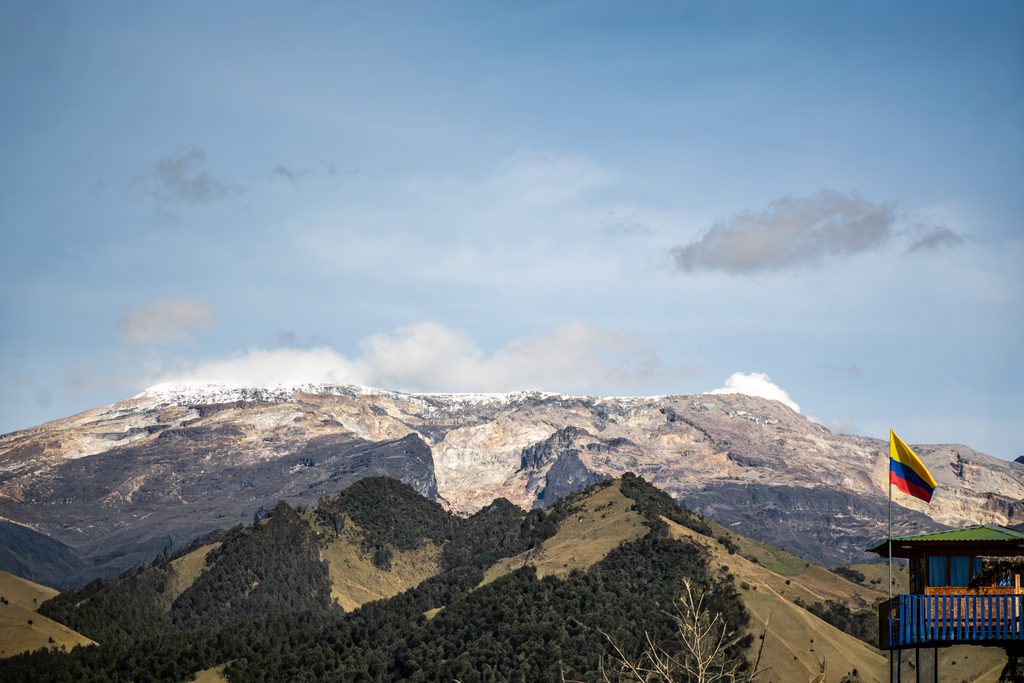
What Is Soroche, and Why Does It Show Up on Climbs Like This?
Soroche is what people across the Andes call the mix of symptoms, a headache, some nausea, a bit of tiredness, a restless first night, that can show up when you gain altitude faster than your body can adjust to less oxygen. It isn’t unique to Colombia, and for most riders it’s mild and it passes quickly. It’s rarely something that gets in the way of the trip.
Locals have their own way of handling it, and it comes down to slowing everything down a little. Ease your pace, drink water often, eat light, and don’t be shy about the remedies grandmothers still swear by: aguapanela, Colombia’s own hot panela-water infusion, to keep your energy and fluids up, and coca leaf tea, which people across the Andes have used for generations to settle the first day at altitude. Simple habits, well tested, and part of how people who actually live up here get through it without much fuss, according to Matador Network’s own roundup of local altitude-sickness advice.
Wondering how this applies to your own fitness, or to the specific days on your itinerary? That’s exactly the kind of question we’d rather talk through with you directly than guess at in an article. Check out our tour or request more information here. before you book. No obligation, just an honest conversation.
What Happens in Your Body, and Why It’s Rarely a Problem Here
Altitude does change how your body works. Less oxygen in every breath means your heart and lungs pick up a little more of the load while you adjust. For most riders, that just means breathing a bit heavier or turning in early one night, not a health scare, and definitely not a reason to worry before you’ve even landed.
We’ve also built the trip so you’re never left to figure this out on your own. Your time at the highest points is kept short and deliberate, and it’s paired with real rest at lower elevation in between. It’s the same thinking we walk through in more detail in our guide to training for Alto de Letras, so if you want the fuller picture, that’s a good next read: the two acclimatization strategies out there, and how we actually apply pacing on the climb.
Warning Signs of Altitude Sickness, and How to Respond
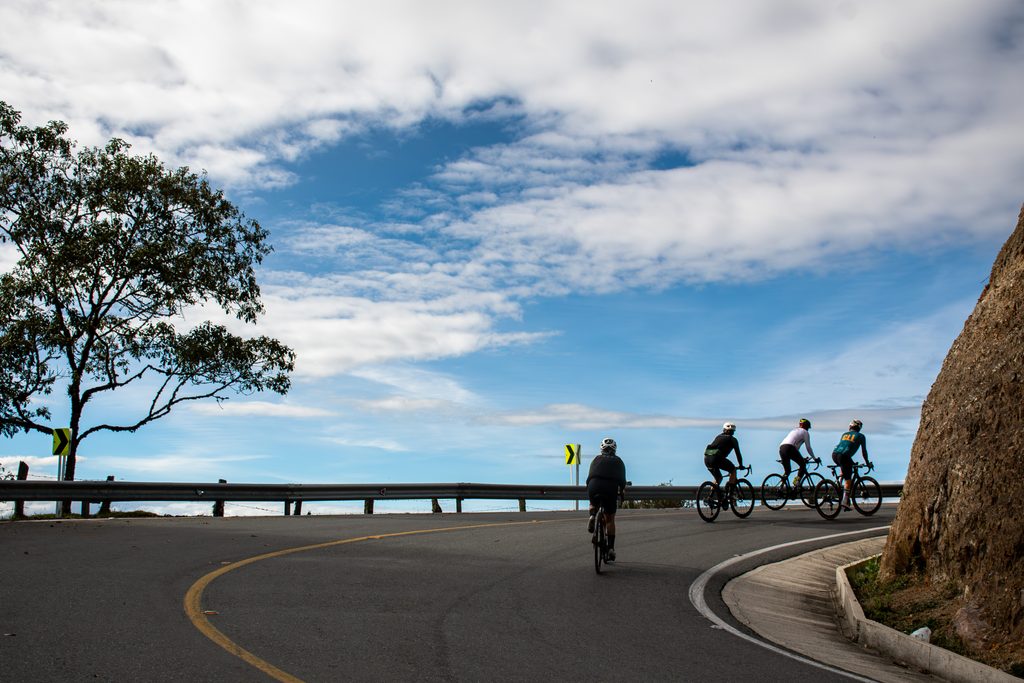
Mild soroche is easy to notice and even easier to manage: a light headache, a little queasiness, feeling more tired than usual, a first night that isn’t your best sleep. Give it rest, water, and a slower pace, and it usually settles on its own within a day. It’s rare for it to go further than that, but it’s worth knowing what a stronger reaction can look like, real confusion, feeling short of breath even while resting, or lips that look unusually pale. Cleveland Clinic notes these are the signs worth mentioning to whoever you’re riding with, so you can slow down together instead of pushing through it alone.
It’s one of the quiet reasons we keep every departure small. With a maximum of six cyclists, your guide actually gets to know how you’re doing day to day, your pace, your mood, the way you talk when you’re tired, and that closeness means someone usually notices the early signs before you’ve even put a name to how you’re feeling. On a group of twenty, that same moment can pass by unseen for hours.
Active vs. Passive Acclimatization, and What Beyond The Ride Actually Does
You’ll come across two approaches in most altitude advice. Active acclimatization is climb high, sleep low: you gain elevation during the day and rest at a lower altitude each night, letting your body adapt gradually. Passive acclimatization means resting at a moderate altitude for a day or two before going any higher, so your body has time to catch up before it has to work.
Our itinerary leans on both, just at different moments, following the same logic mountaineers have trusted for decades. It opens in Bogotá, at 2,600 meters, where you spend a full day settling in and resting before any real riding begins. That’s passive acclimatization, simply giving your body time before you ask anything of it. Once you’re based in Mariquita, at the foot of Alto de Letras, the rhythm shifts to active: you climb into the páramo during the day and come back down to sleep at the lower base camp every night. You get the benefit of both approaches without having to plan either one yourself. We already did that part.
Supplements, Sleep, and Recovery: What Actually Helps
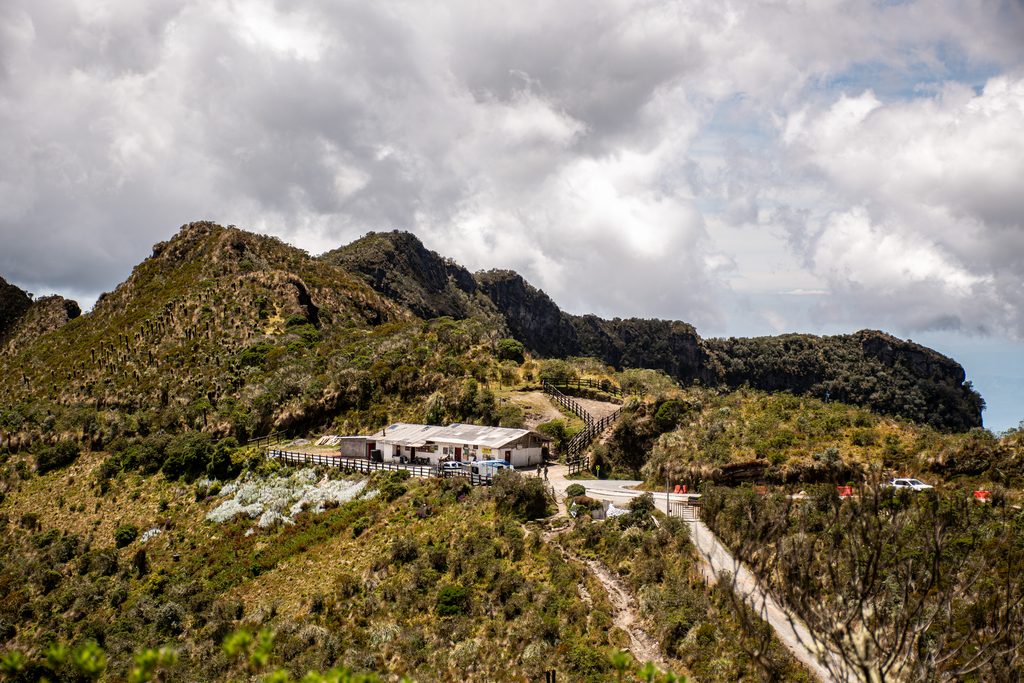
Nothing you take in a capsule does more for acclimatization than a good night’s sleep. Rest, steady hydration, and going easy on alcohol matter far more than any single supplement. Iron helps your body carry oxygen a little more efficiently, and dietary nitrate, the kind found in beetroot juice, has shown modest benefits for altitude performance in controlled research on trekking expeditions. It’s a nice bonus, not a substitute for pacing yourself and getting enough rest.
Think of supplements as support, not a strategy. What really decides how your first day at altitude feels is how you paced getting there and how well you slept once you arrived. And if you’re weighing an altitude medication beforehand, that’s worth a quick word with your doctor. Most riders never end up needing one.
It’s the same care that shapes every Beyond The Ride departure: a maximum of six cyclists, a guide who knows this mountain and this altitude like the back of their hand, and a route built so the hardest hours up high stay short, supported, and shared with people who are genuinely looking out for you.
Ready to feel what climbing into the páramo is like with a team in your corner? → Ride the Alto de Letras Challenge with Beyond The Ride.